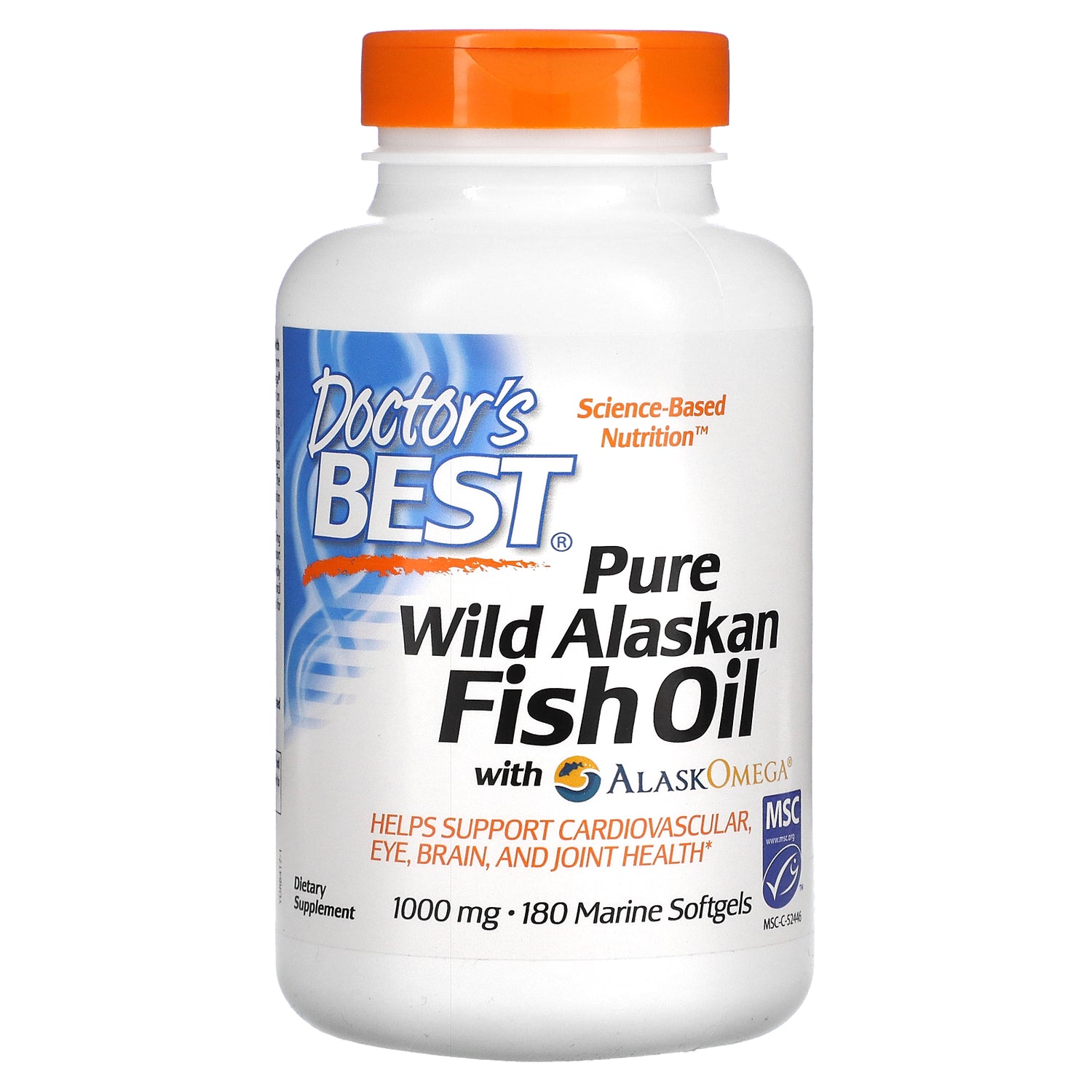
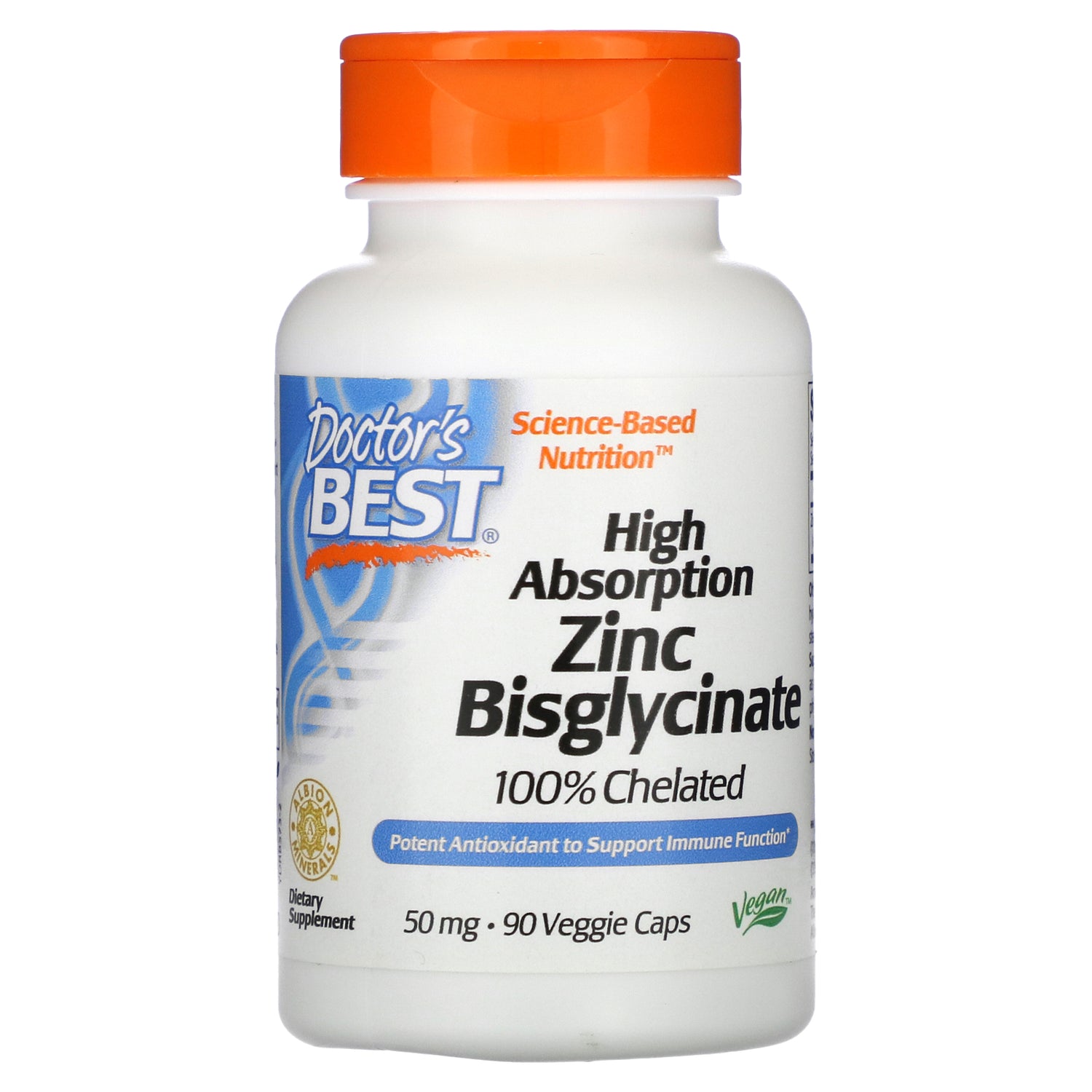
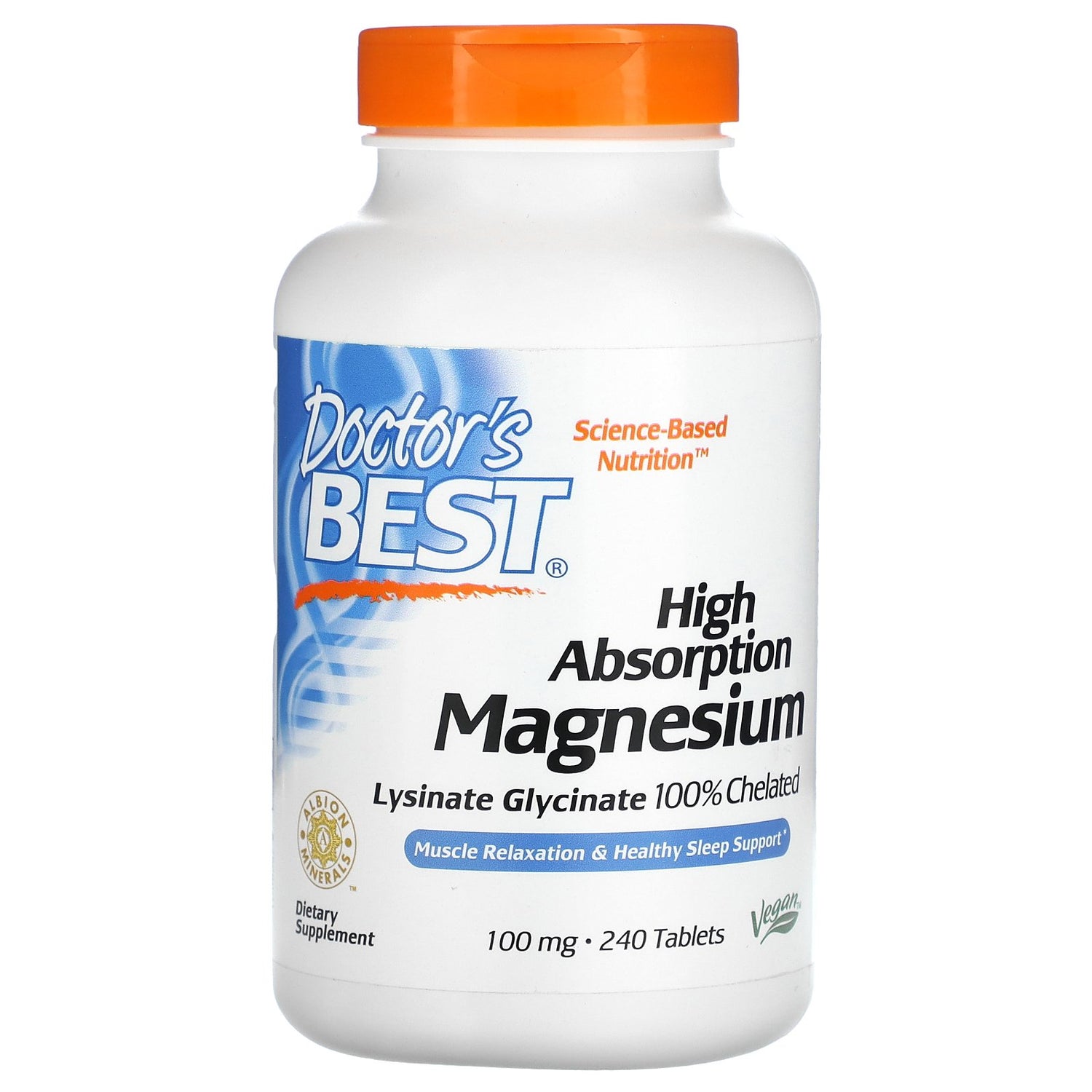
Doctor's Best

You May Also Like :

Best Curcumin C3 Complex 1000mg 120T

Best 3000 GDU Bromelain 500mg 90VC

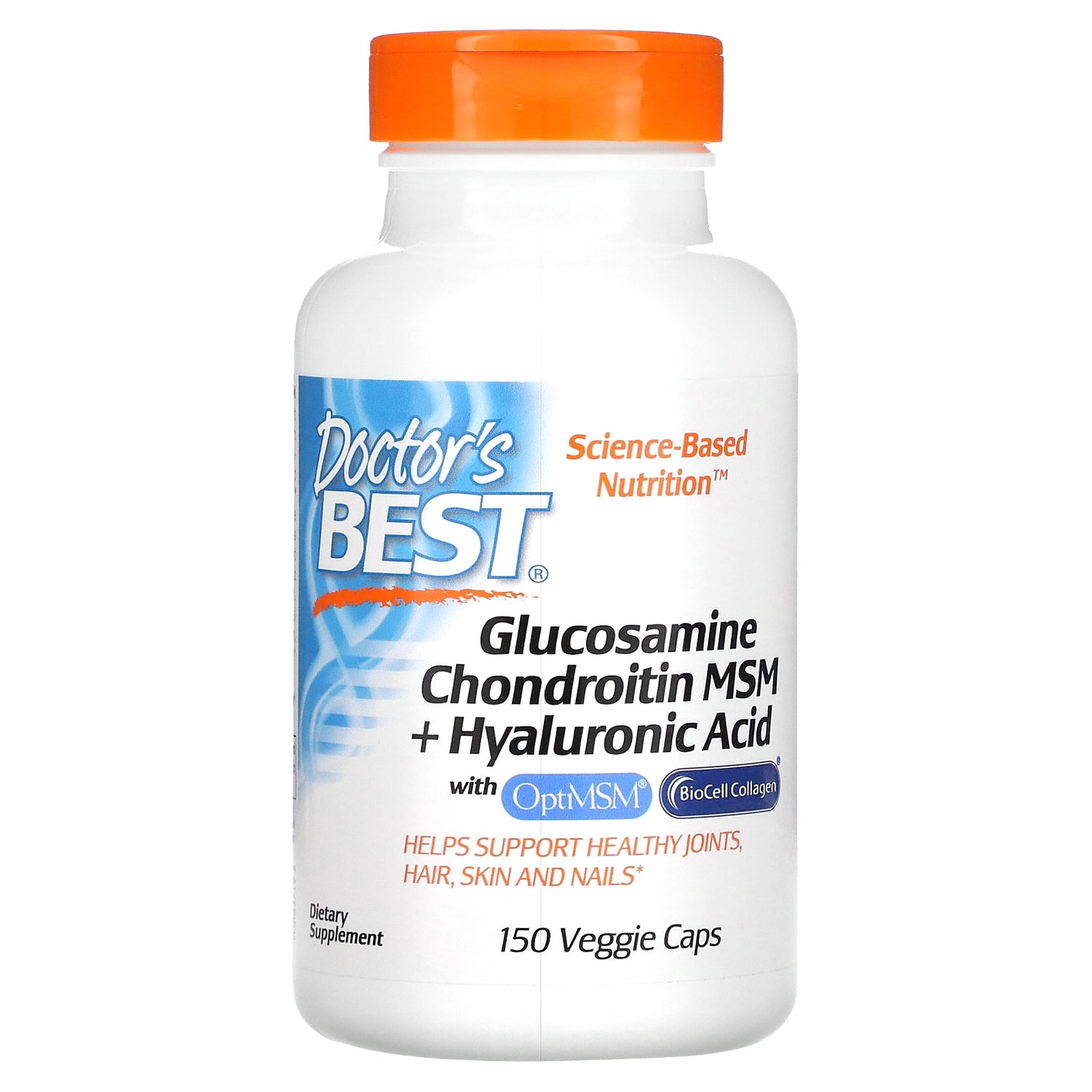
Glucosamine Chondroitin MSM Plus HA 150C

Glucosamine Chondroitin MSM 240C

Doctor's Best Supplements - Glucosamine Chondroitin MSM 240C
  • fact sheet Fact Sheet
  • must see FAQ's
  • media More Info
Code:
DRB-00081
Size:
240 C
MSRP:
$ 46.99


Does Not Contain: milk, egg, wheat, gluten, corn, soy, sugar, sweeteners, starch, salt, or preservatives.

Glucosamine/ Chondroitin/ MSM 240 Caps


  • Science-based nutrition
  • Dietary supplement
  • Maintains healthy joints and connective tissue*


Contains sodium-free potassium stabilized glucosamine sulfate, bovine chondroitin sulfate and pure MSM. (OptiMSM®).


Suggested Adult Use: Take 2 capsules twice daily, with or without food.


Note: Glucosamine is obtained from the shells of shellfish.


Supplement Facts
Serving Size: 2 Capsules
Serving per container: 120 servings
Amount Per Serving           % DV**
Chloride (from glucosamine sulfate 2KCl)                          84 mg                2%
Sodium (from chondroitin sulfate)                                         28 mg                1%
Potassium (from glucosamine sulfate 2KCl)                     91 mg                 3%
----------------------------------------------------------------------------------------------------
Glucosamine sulfate 2KCl                                                   750 mg                  †
Chondroitin sulfate                                                                600 mg                  †
(from chondroitin sulfate sodium)
Methylsulfonylmethane                                                         500 mg                  †
OptiMSM®
----------------------------------------------------------------------------------------------------
** Percent Daily Values are based on a diet supplying  2000 calories per day.
† Daily Value not established.


Other ingredients: Cellulose, magnesium stearate (vegetable source), gelatin (capsule).


The amount of chondroitin sulfate is verified by CPC Titration testing, using USP Test Method and USP Reference Material (dried).


240C

Doctor's Best Supplements - Ingredients - Glucosamine Chondroitin MSM 240C

Glucosamine/Chondroitin/MSM contains pure glucosamine sulfate, as confirmed by HPLC testing. Glucosamine sulfate is extracted from chitin, a long-chain polymer consisting of many glucosamine molecules linked together. Chitin forms structural frameworks in many living things, including aquatic crustaceans such as lobsters, crabs, and shrimp. In our formula, the glucosamine is purified and then sulfated and stabilized with potassium chloride.

Note: Glucosamine sulfate is derived from the shells of oceangrown shellfish. It is processed to remove all residues of protein and impurities, yielding pure glucosamine sulfate as the final material.

Glucosamine/Chondroitin/MSM contains chondroitin sulfate with a purity of 90 percent or greater. Quality assurance testing is performed using two sophisticated laboratory analysis methods: High-Performance Liquid Chromatography (HPLC), and Cetyl Pyridinium Chloride (CPC) Titration.

Glucosamine/Chondroitin/MSM features OptiMSM® methylsulfonylmethane, MSM distilled to be 99.9% pure. A biological compound that occurs in the human body and in some foods, MSM is an excellent dietary source of bioavailable organic sulfur.

The MSM Story-One of Nature's Primary Sources of Organic Dietary Sulfur!

The human body requires a continuous supply of usable sulfur, and MSM is one of the primary organic sulfur-containing molecules for use by living organisms. From life's earliest beginnings, primitive marine organisms (blue-green algae and phytoplankton) have absorbed inorganic sulfur from ocean waters and produced organic sulfur molecules, primarily dimethyl sulfonium salts. These salts are released back into the sea, where they are converted to dimethyl sulfide, which readily evaporates, ending up in the upper atmosphere. Dimethyl sulfide is then oxidized by UV light, forming DMSO and MSM. The two compounds are delivered to land masses in rain water, and absorbed by plants. MSM is a stable end product of this process, serving as a primary source of sulfur in the food chain.

Supports Joint Structure, Function, and Comfort*

The Roles of Glucosamine and Chondroitin Sulfate in Joints
Articular cartilage is a connective tissue composed of specialized cells (chondrocytes) embedded in a matrix of protein fibers (mostly collagen) and clusters of complex proteoglycan molecules that consist of a protein core with numerous side chains. These side chains, chiefly chondroitin sulfate and keratin sulfate, are long polysaccharide molecules called glycosaminoglycans. Chondroitin sulfate (CS) and the other glycosaminoglycans strongly attract water due to the negative charges of their sulfate groups. These negative charges also repel each other, creating spaces between glycosaminoglycan side chains where water can enter. This combination of solid and liquid gives cartilage a compressible quality that allows it to function as a shock absorber for joints.1

Glucosamine is a fundamental building block for proteoglycans and glycosaminoglycans. Glucosamine sulfate (GS) helps to maintain joint health through its ability to both act as a component of and stimulate formation of cartilage glycosaminoglycans and the hyaluronic acid backbone essential for the formation of cartilage proteoglycans.2

The Abundant Evidence Behind Glucosamine and Chondroitin Sulfate

Extensive joint health research over the past few decades has investigated the effects of glucosamine sulfate, chondroitin sulfate, or a combination of the two. A 2009 meta-analysis summarized results from 6 well-designed studies involving a total of 1,502 research participants. The authors of this meta-analysis were able to make some conclusions about the apparent effectiveness of long-term oral supplementation with CS or GS. Glucosamine sulfate at 1,500 mg daily over a period of at least 3 years and chondroitin sulfate at 800 mg daily over a period of at least 2 years both helped subjects maintain healthy knee cartilage structure.3 In a 2008 review of GS & CS used for joint support, the London physician who wrote it concludes that, “Glucosamine, chondroitin, and the combination of these two agents have stood the test of time.”4

Glucosamine sulfate is one of the most important—and thoroughly researched—dietary supplements for joint health ever developed.5 In addition to its potential to influence joint structure (and thus function), research also backs the ability of GS to influence joint comfort. In one such multicenter, randomized, double-blind, parallel-group study of 252 subjects, joint comfort in the knee was found to be higher in the glucosamine sulfate group than the placebo group.6 Similar studies of equal magnitude found that GS enhanced joint comfort.7, 8 Key among findings from these types of studies is the reoccurring theme of a good safety profile for glucosamine sulfate; reported “side effects” of GS were essentially no different than placebo.

Similar to glucosamine, chondroitin sulfate is known to influence the maintenance of healthy cartilage—in this case by acting on matrix metalloproteases (MMPs). Chondroitin sulfate has been shown to inhibit MMP-3 synthesis, which plays an important role in homeostasis of cartilage proteoglycans. Additionally, CS can downplay MMP-13 in chondrocytes, helping to maintain the integrity of articular cartilage matrix.9

Clinical Trials Explore MSM’s Joint Action
Results from a randomized, double-blind, placebo-controlled pilot trial examining the effect of MSM supplementation on joint comfort in 50 men and women are promising. Subjects taking OptiMSM® methylsulfonylmethane for 12 weeks experienced greater joint comfort than those taking placebo, suggesting potential for MSM as a joint support nutrient that warrants further investigation in larger clinical trials.10 MSM also produced statistically significant changes in urinary malondialdehyde, a marker of oxidative stress.

MSM has also been used in combination with glucosamine to study their impact on the health of joints. In one such study, a total of 118 subjects were randomized into one of four groups for 12 weeks: glucosamine (500 mg three times daily), MSM (500 mg three times daily), the combination of glucosamine and MSM, or a placebo treatment. Glucosamine alone and MSM alone were shown to enhance joint function, while the combination was found to be even more effective, by both subjective and objective measurements.11

Note: Glucosamine is obtained from the shells of shellfish.


  1. Mansour, J., 2004, Lippincott Williams & Wilkins: Baltimore. p. 14.
  2. Kelly, G.S., Altern Med Rev, 1998. 3(1): p. 27-39.
  3. Lee, Y.H., et al., Rheumatol Int, 2010. 30(3): p. 357-63.
  4. Huskisson, E.C., J Int Med Res, 2008. 36(6): p. 1161-79.
  5. Vangsness, C.T., Jr., W. Spiker, and J. Erickson, Arthroscopy, 2009. 25(1): p. 86-94.
  6. Noack, W., et al., Osteoarthritis and Cartilage, 1994. 2: p. 51-59.
  7. Muller-Fassbender, H., et al., Osteoarthritis Cartilage, 1994. 2(1): p. 61-9.
  8. Herrero-Beaumont, G.et al., Arthritis Rheum, 2007. 56(2):p 555-67.
  9. Monfort, J., et al., Ann Rheum Dis, 2008. 67(6): p. 735-40.
  10. Kim, L.S., et al., Osteoarthritis Cartilage, 2006. 14(3): p. 286-94.
  11. Usha, P.R. and M.U. Naidu, Randomised, Clin Drug Investig, 2004. 24(6): p. 353-63.

Coming soon...

< Back to previous page

Browse by Benefits

page bottom